
Excavation is one of the most critical stages of any construction project, providing the foundation for safe, stable, and long-lasting structures. Whether building residential homes, commercial facilities, industrial plants, highways, bridges, or underground utilities, excavation prepares the site by removing soil, rock, and other materials to create the required depth and shape for construction. Proper excavation ensures that foundations, drainage systems, and infrastructure are built on stable ground, reducing the risk of future structural problems.
Modern excavation services combine skilled operators, advanced machinery, detailed planning, and strict safety procedures to complete projects efficiently and accurately. Every excavation project is carefully planned based on soil conditions, project requirements, environmental factors, and engineering specifications to ensure successful construction from the ground up.
Excavation forms the foundation of nearly every construction project. Without proper site preparation, buildings and infrastructure may experience settlement, drainage issues, or structural instability over time. Professional excavation creates a solid base that supports safe and durable construction while improving project efficiency.
Accurate excavation also ensures that underground utilities, drainage systems, and structural foundations are installed according to design specifications. By preparing the site correctly, excavation minimizes future maintenance costs and contributes to the long-term performance of the completed structure.
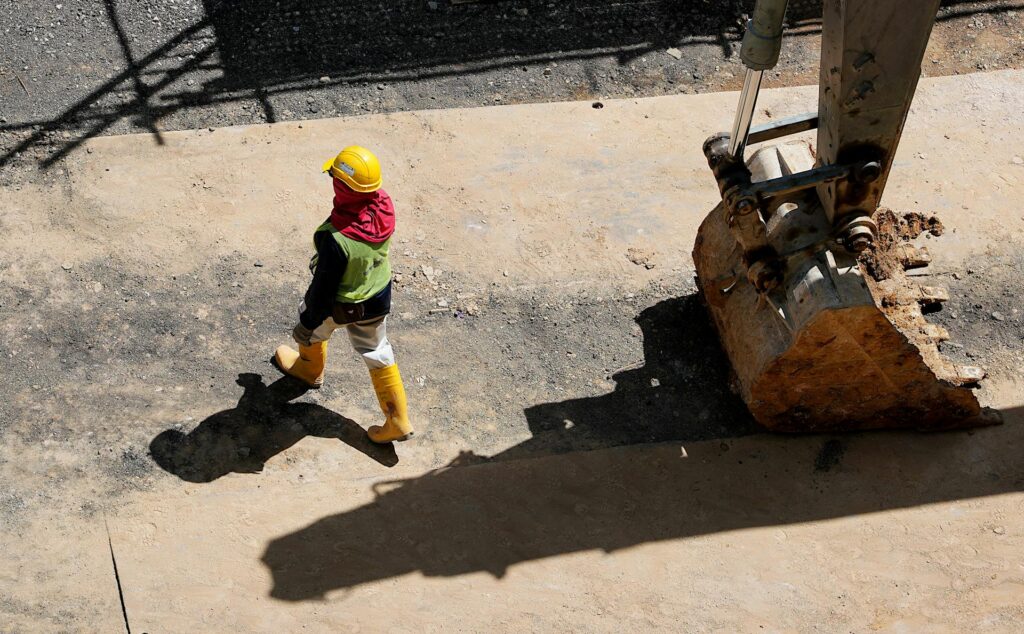
Different construction projects require specialized excavation methods depending on site conditions and project objectives. Each type of excavation is designed to meet specific engineering and construction requirements.
Foundation excavation involves removing soil to create space for footings, basements, retaining walls, and structural foundations. Accurate excavation ensures foundations are installed at the correct depth and alignment while providing sufficient load-bearing capacity.
Proper foundation preparation is essential for both small residential buildings and large commercial developments.
Trench excavation is used for installing underground utilities such as water pipelines, sewer systems, gas lines, electrical conduits, and communication cables. Trenches are excavated according to engineering specifications while maintaining appropriate depth, width, and safety measures.
Careful trench planning minimizes disruption while protecting existing underground infrastructure.
Earth excavation involves removing large volumes of soil to prepare sites for roads, buildings, parking areas, and landscaping projects. Bulldozers, excavators, and loaders work together to achieve the required site elevations and grading.
This process supports efficient construction while improving site drainage and accessibility.
Projects involving rocky terrain require specialized excavation techniques using hydraulic breakers, drilling equipment, or controlled blasting methods where permitted. Rock excavation enables construction in challenging geological conditions while maintaining safety and precision.
Experienced operators carefully manage rock removal to protect surrounding structures and utilities.
Every successful excavation project begins with a detailed site assessment. Engineers and surveyors evaluate soil conditions, topography, underground utilities, groundwater levels, and environmental considerations before excavation starts.
Soil testing determines the strength, composition, moisture content, and load-bearing capacity of the ground. Different soil types require different excavation methods and foundation designs to ensure long-term structural stability.
Accurate soil analysis helps prevent future settlement and foundation problems.
Before excavation begins, underground utilities such as electrical cables, water lines, gas pipelines, sewer systems, and communication networks must be identified and marked. Proper utility mapping reduces the risk of accidental damage and ensures safe excavation operations.
Coordination with utility providers helps maintain uninterrupted public services during construction.
Modern excavation relies on advanced machinery capable of handling various soil conditions and project requirements efficiently.
Excavators are the primary machines used for digging foundations, trenches, and large excavation areas. Hydraulic systems provide powerful digging capabilities while interchangeable attachments allow excavators to perform multiple tasks, including demolition, grading, and material handling.
Their versatility makes them suitable for projects of all sizes.
Bulldozers move large quantities of soil while leveling construction sites and clearing obstacles. Wheel loaders transport excavated materials efficiently across the worksite, supporting continuous construction operations.
These machines improve productivity while reducing manual labor requirements.
After excavation, compactors and rollers compress soil to increase stability and reduce future settlement. Proper soil compaction creates a reliable foundation capable of supporting buildings, roads, and other infrastructure.
Compaction is an essential step in achieving long-term structural performance.
Excavation involves potential hazards such as trench collapse, equipment accidents, underground utility damage, and unstable soil conditions. Comprehensive safety procedures protect workers, equipment, and surrounding communities throughout the project.
Every excavation project requires a detailed safety plan that identifies potential risks and establishes procedures for hazard control. Site supervisors continuously monitor excavation conditions while ensuring compliance with safety regulations.
Safety planning also includes emergency response procedures and regular equipment inspections.
Trenches and deep excavations often require protective systems such as trench boxes, shoring, sloping, or shielding to prevent soil collapse. These systems provide safe working environments for personnel performing underground installations.
Regular inspections ensure protective measures remain effective throughout excavation activities.
Responsible excavation practices minimize environmental impact while supporting sustainable construction. Proper planning reduces soil erosion, protects nearby vegetation, and prevents sediment from entering waterways.
Dust control measures, noise reduction strategies, and responsible waste management help maintain safe and environmentally friendly construction sites. Excavated materials that can be reused are often incorporated into grading or landscaping projects, reducing waste and transportation requirements.
Environmental protection also includes preserving natural drainage patterns and restoring disturbed areas after excavation is complete.
Technology has significantly improved excavation accuracy, efficiency, and safety. Global Positioning System guidance, laser grading systems, drones, and digital surveying tools enable operators to achieve precise excavation depths and alignments.
Building Information Modeling integrates excavation planning with overall construction design, reducing errors and improving coordination between project teams.
Real-time monitoring systems track equipment performance, fuel consumption, and project progress, helping managers optimize operations and reduce downtime.
Professional excavation services provide the expertise, equipment, and planning necessary to complete projects safely and efficiently. Experienced operators understand soil conditions, engineering requirements, environmental regulations, and safety standards that influence successful excavation.
Comprehensive excavation services include site clearing, grading, trenching, foundation preparation, utility installation support, drainage construction, backfilling, and soil compaction. Every stage is carefully managed to ensure accuracy, structural stability, and regulatory compliance.
Professional excavation also reduces project delays by ensuring work is completed according to construction schedules and engineering specifications.
Selecting experienced excavation professionals is essential for achieving successful construction outcomes. Qualified teams evaluate project requirements, recommend suitable excavation methods, and utilize modern equipment to deliver precise results.
Reliable excavation services prioritize safety, quality, environmental responsibility, and efficient project management throughout every phase of site preparation. Strong communication with engineers, contractors, and clients ensures smooth coordination and timely project completion.
Excavation is the foundation upon which successful construction projects are built. By combining careful planning, advanced equipment, skilled operators, and strict safety standards, professional excavation services create stable foundations that support durable buildings and reliable infrastructure. Investing in high-quality excavation ensures long-term structural performance, efficient construction, and lasting value for residential, commercial, industrial, and public development projects.

Every excavation project demands precision. We use modern equipment, laser-guided grading systems, and experienced crews to ensure every dig, trench, and grade meets strict engineering standards.

We know budgets matter. Our streamlined methods and optimized project planning allow us to reduce labor hours, limit material waste, and control overall costs without sacrificing quality.

Time is critical in construction and infrastructure. Delays can halt progress and increase expenses. Our team is committed to delivering excavation projects on schedule, every time.